
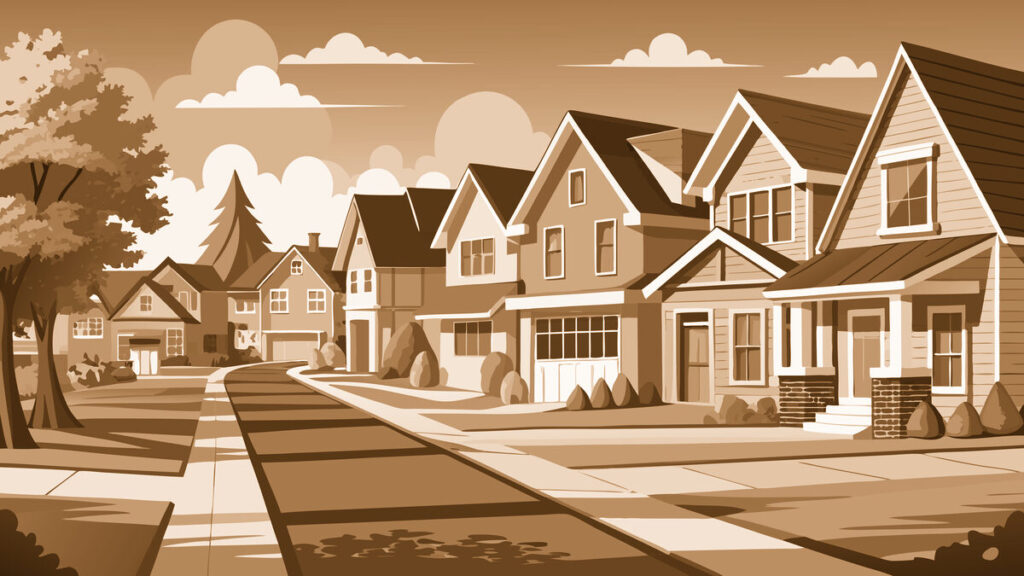
Devonshire is more than just a collection of homes and winding roads—it’s a neighborhood rooted in history, vibrant with community spirit, and dotted with stories that span more than a century. Nestled within the heart of Devon, PA, Devonshire’s journey from lush farmland to the beloved enclave it is today offers a living testament to the region’s evolving character. For those who reside here or simply pass through, the tapestry of heritage that colors Devonshire’s streets and parks makes it a particularly special part of Pennsylvania’s Main Line.
The Origins of Devonshire
The land that would become Devonshire was originally part of the fertile acres farmed by early English and Welsh settlers in the 1700s. The Main Line, a string of communities including Devon, grew up alongside the Pennsylvania Railroad—a vital route that shaped the patterns of suburban living in this part of the state.
Devonshire itself began taking shape in the late 19th and early 20th centuries, as the agricultural landscape gave way to planned residential development. The neighborhood’s name—Devonshire—evokes both local roots and a touch of the English countryside, borrowing from the English county “Devonshire” as a nod to both the region’s colonial heritage and the aspirations of early residents who sought a tranquil, green suburb.
Streets That Tell the Story
Driving or strolling through Devonshire today, you’ll find streets named in homage to its English influence and pastoral beginnings. Cambridge Road, Yorkshire Drive, and Wellington Lane not only provide a sense of place but also reflect the neighborhood’s intention to blend rustic charm with suburban convenience. South Fairfield Road serves as one of Devonshire’s main arteries, linking its homes to the bustling Lancaster Avenue corridor just beyond.
Key Historical Milestones
- Early 1900s Expansion: As railroads drew families seeking fresh air and prosperity, the plotting of Devonshire as a formal neighborhood began. Original deeds and plat maps from the 1910s show generous lots and the earliest homes, many of which still stand, evidence of the neighborhood’s enduring appeal.
- 1920s-1930s Growth: The post-World War I building boom saw gracious stone and brick homes take root. Many residences along Devonshire’s northern edge show off period details: leaded glass windows, arched doorways, and mature landscapes.
- Post-WWII Suburbanization: Like much of the Main Line, the 1950s brought a surge of new families and further development. New schools and services emerged, including Devonshire Park—a compact green space cherished for its playground and sense of community.
Notable Landmarks and Community Cornerstones
Though Devonshire is primarily residential, several local treasures help anchor its sense of heritage:
- Devon Horse Show Grounds: Just south of Devonshire’s border is this world-famous equestrian facility. Since 1896, the Devon Horse Show has drawn visitors from all over, putting Devon—and by extension, Devonshire—on the map. The annual event is a shared legacy, with many neighborhood families volunteering or attending year after year.
- St. David’s Church: On nearby Valley Forge Road, St. David’s Episcopal Church dates to 1715. It’s a spiritual and historical landmark for Devonshire residents, connecting them with the area’s earliest roots.
- Devon Elementary School: Serving generations of local children, this institution remains a community focal point, providing not just education but neighborhood cohesion.
Evolving Architecture: Homes That Speak of Their Times
Devonshire’s houses reflect the neighborhood’s steady, thoughtful evolution. Early 20th-century Tudors, Cape Cods, and center-hall colonials mingle with tasteful mid-century ranches and elegant new builds. One of the joys of a walk down Wellington Lane or Cambridge Road is seeing the care with which new homeowners restore or reinterpret these historic homes, blending tradition with the needs of modern life.
Parks, Gardens, and Green Spaces
Devonshire has always valued open space, and its leafy streets bear testament. In addition to Devonshire Park—a favored spot for summer picnics and youth sports—nearby Jenkins Arboretum & Gardens provides a haven for rare plants and peaceful walks. The abundance of mature trees and garden beds bursting with azaleas or rhododendrons every spring uplift both spirit and curb appeal.
A Neighborhood That Feels Like Family
One of Devonshire’s greatest treasures is its sense of continuity and neighborliness. Longtime residents recount block parties, holiday parades down Yorkshire Drive, and children learning to ride bikes along the same paths their parents once traveled. New families are welcomed at community gatherings in Devonshire Park or at bake sales supporting local causes.
Community organizations, like the Devonshire Civic Association, continue to advocate for careful development, preservation of green spaces, and the fostering of a true hometown feel.
Devonshire Today: Honoring the Past, Embracing the Future
Devonshire’s story is still being written. With each passing decade, new residents bring fresh ideas while respecting the deeply set roots of the past. Treasured traditions—like volunteering at the Devon Horse Show or organizing neighborhood clean-up days—keep the community spirit alive.
As the pressures of suburban expansion grow, the neighborhood’s commitment to stewardship, civic pride, and friendly connection ensures that its historic charm remains. Whether watching a golden sunset from Wellington Lane or greeting neighbors at Devonshire Park, living here truly feels like belonging to something timeless.
What Makes Devonshire Special?
- The legacy of welcoming residents and caring for their shared environment.
- The beautiful blend of heritage homes and tree-lined avenues.
- The proximity to cultural and historic landmarks, from the Devon Horse Show to Wayne’s vibrant downtown.
- A lived sense of history, with stories told in every brick, backyard, and smiling face.
Devonshire in Devon, PA, is more than a place—it’s a living heritage and a shining example of what makes the Main Line so enduringly beloved.